[Webinar] The State of the Death Penalty in 2026: Trends, Realities, Advocacy
2025 presented numerous challenges to the movement to abolish the death penalty in the United States: increased rates of executions, new execution methods, and the introduction of legislation in some states that seeks to expand the practice.
At the same time, new death sentences remained at historic lows and public support for the death penalty decreased to the lowest it’s been since the death penalty was reinstated in the 1970s.
Catholic Mobilizing Network hosted a webinar at the beginning of the New Year to take a close look at the current state of the death penalty. Together, the panelists discussed moving trends, the realities we are facing, and how Catholics can participate in meaningful advocacy to advance death penalty abolition in 2026.
Recording
Featured Speakers
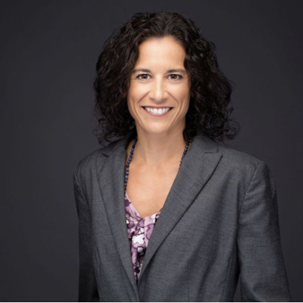
Maria DeLiberato, Esq. is the Legal and Policy Director for Floridians for Alternatives to the Death Penalty (FADP). Through the course of her distinguished career, Maria has had an up-close view of the deep flaws and inequities in Florida’s criminal justice system, specifically as it relates to the death penalty. As a capital litigation attorney for 19 years, Maria has handled all aspects and stages of capital representation. She began her career as Assistant State Attorney in Miami-Dade County, where she prosecuted serious felony cases in the Career Criminal Unit and experienced firsthand the impact of violent crime. During her time as an Assistant State Attorney, she witnessed the limited ability of the criminal justice system to meet both the need for personal healing and restoration for crime victims as well as for accountability from those who harmed them. She then joined Capital Collateral Regional Counsel (“CCRC”), where she spent nearly 13 years representing individuals on Florida’s death row in their post-conviction appeals. Among the many highlights of her dedicated career was securing the freedom of Clemente Aguirre, who was exonerated after serving 14 years in custody, 10 of them on Florida’s death row. Maria has experienced the collateral damage that executions bring to all parties involved – victims’ families, corrections staff, judges, lawyers, jurors, and the family members of the condemned.
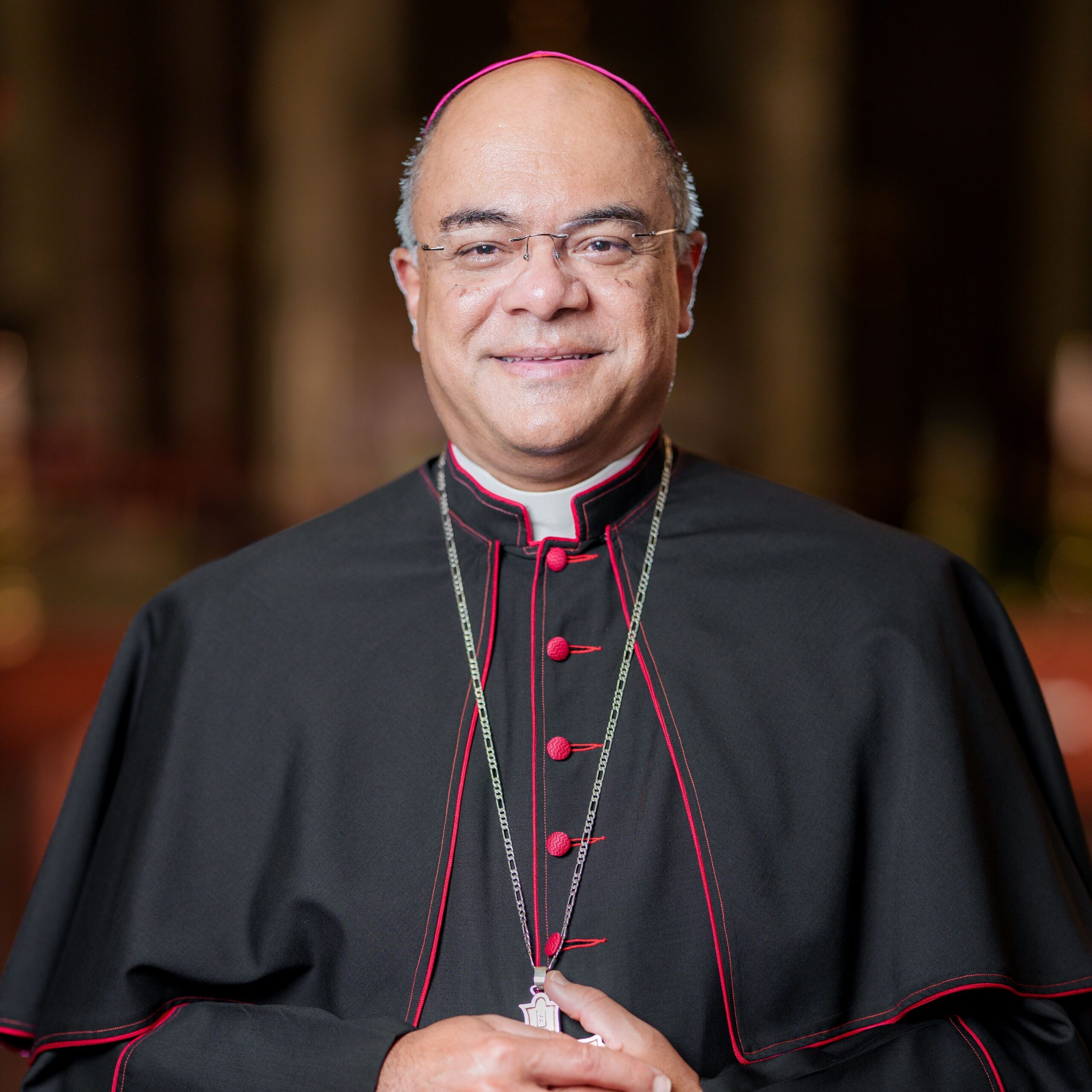
Most Rev. Shelton J. Fabre is the Archbishop of Louisville. He also serves as chairman of the USCCB Committee of Domestic Justice and Human Development, and serves as a member of the USCCB Committee on Laity, Marriage, and Family Life; the Catholic Campaign for Human Development; the Subcommittee for the Promotion of Racial Justice and Reconciliation; and the subcommittee on African American Affairs. In addition, he serves as a consultant on the Pro-Life Committee.
From 2018 to 2023, Archbishop Fabre served as chairman of the United States Conference of Catholic Bishops’ (USCCB) Ad Hoc Committee Against Racism. He led the writing of the U.S. Bishops’ most recent pastoral letter on racism, Open Wide Our Hearts – The Enduring Call to Love, which was approved and published in 2018. He also served as chair of the USCCB Subcommittee for African American Catholics.
Archbishop Fabre previously served the dioceses of Baton Rouge, New Orleans, and Houma-Thibodaux. While in Baton Rouge, Archbishop Fabre served as a chaplain at the Louisiana State Penitentiary at Angola.
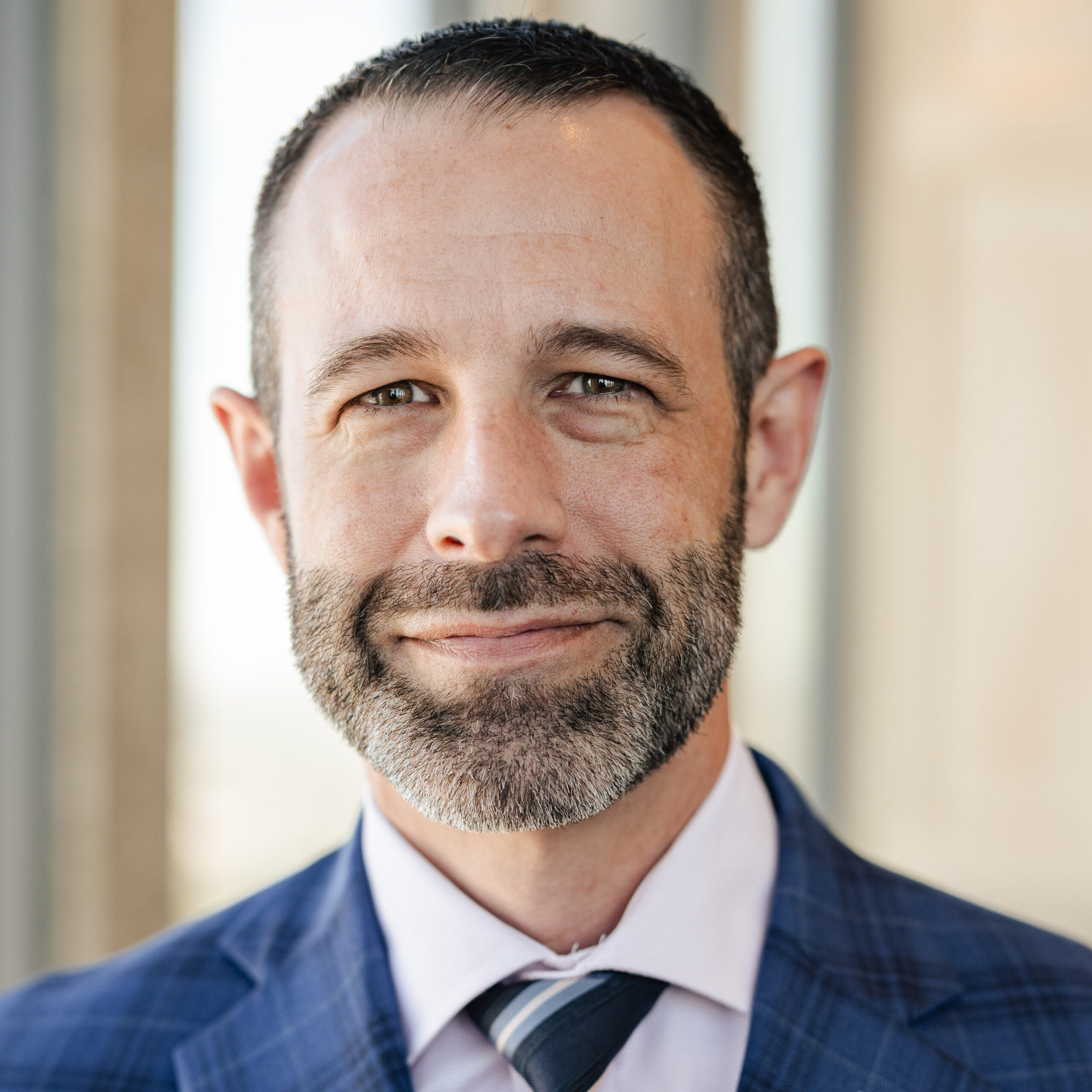
Brett Farley is the Executive Director for the Catholic Conference of Oklahoma. In addition to this, Brett holds several other roles including the founding director of the Oklahoma Conservatives Concerned, a member of the State Advisory Committee for the U.S. Commission on Civil Rights, co-founder of the Faithful Citizenship Institute, and is the author of the short novel entitled The Dream. He and his family converted to the Roman Catholic Church in 2011, are members of St. Monica Catholic Church, and are active in the Edmond and greater-OKC community.