Deacon’s Guide to Death Penalty Ministry
Support for bringing CMN’s mission to your parish and ministry.
About this Guide
As ordained ministers of the Church, deacons are a sacramental sign to the Church and to the world of Christ, who came “to serve and not be served.” (USCCB).
This guide is designed specifically for deacons, to serve you as you serve our Church. It contains resources to equip yourself to carry the Church’s pro-life teaching on the death penalty to your parishes and ministries.
Testimonies & Stories
Storytelling is a powerful tool to invite individuals into challenging conversations and open up possibilities to new ways of thinking. CMN is committed to lifting up the stories of individuals who are most personally impacted by crime, violence, incarceration, and the death penalty — in addition to those who serve in ministerial roles for these impacted communities. You can explore some of those stories below.
This video features individuals who represent the wide community of those impacted by capital punishment including: Cheryl Ward Kaiser, wife of a murder victim; Jeanne Woodford, former warden of San Quentin prison, CA; Rita Chavez, Boyle Heights resident and restorative justice volunteer; Ron Briggs, California elected official who worked to legalize and expand the death penalty in 1976 who subsequently became an advocate against capital punishment.
Felix Rosado spent nine long years blaming everybody for his incarceration but himself. But then, two things happened: he rekindled his Catholic faith and learned about restorative justice. These two discoveries set Felix on an extraordinary journey of accountability and transformation.
Encounters With Dignity: CMN’s Podcast on Restorative Justice

This podcast takes a close look at the U.S. criminal legal system through the eyes of those most profoundly impacted by it.
Scripture Reflections
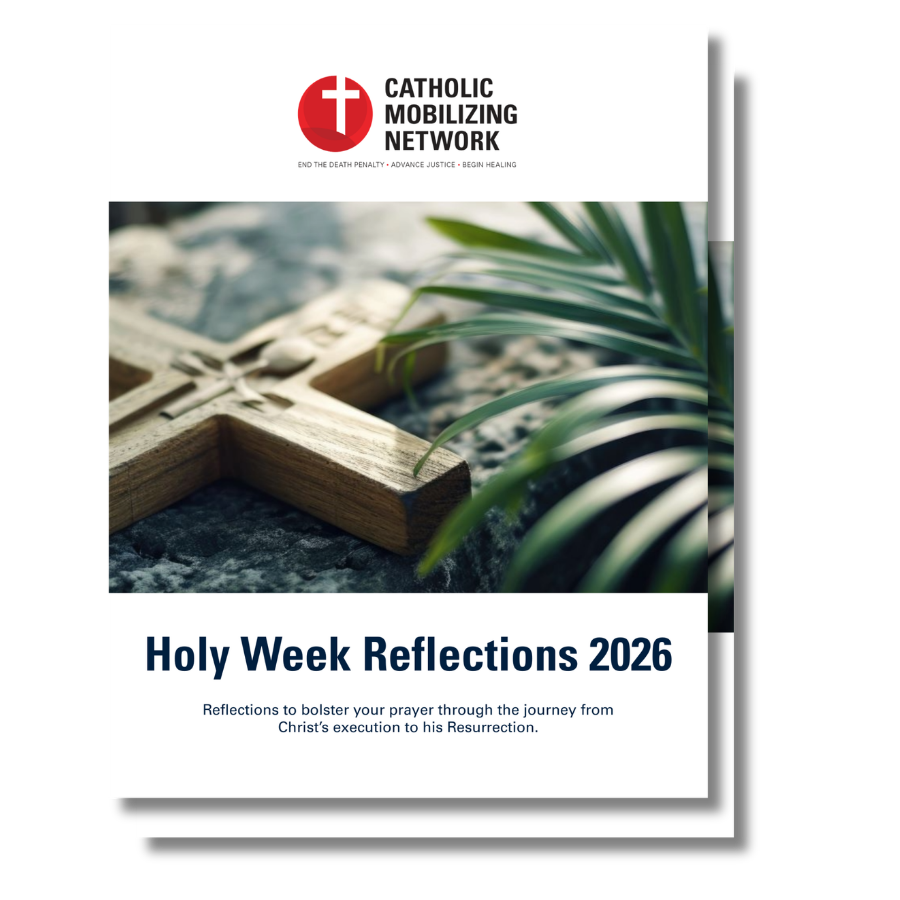
For different liturgical seasons and Feast Days throughout the year, CMN invites people of faith who are working to transform the U.S. criminal legal system to author short reflections that draw connections between the words of Scripture and our mission to end the death penalty and advance healing justice solutions today.
Death Penalty Facts & Education
The United States is a global outlier in its retention of the death penalty. Though a majority of U.S. states have now either formally abolished the death penalty or paused executions, 23 states still have active capital punishment statutes. Knowledge and truth-telling are key to transforming broken systems. Explore resources to educate yourself and others on the status of the death penalty in the United States.
Fact Sheet: The Death Penalty in the United States
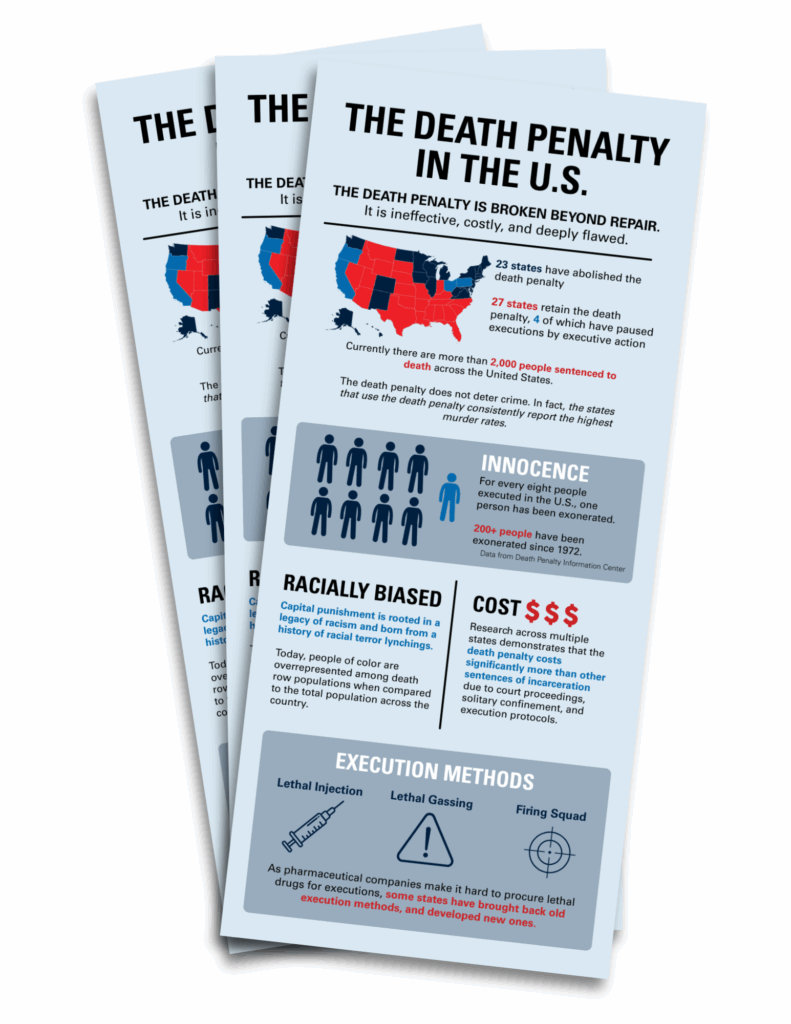
An overview of the current status of the U.S. system of capital punishment and several of the grave injustices of this practice which disregards the sanctity of life.
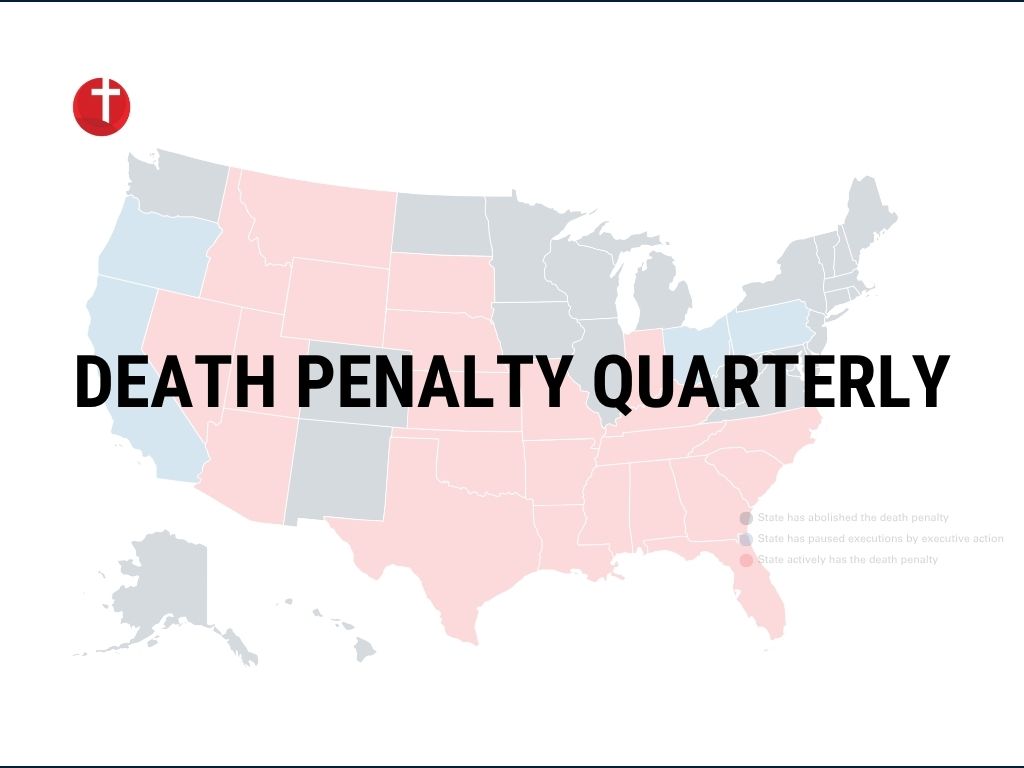
Quarterly Report: CMN’s Death Penalty Quarterly

Four times per year, CMN shares developments from the past quarter, key insights, and CMN’s areas of focus for the coming months. Read the latest edition and sign up to get the report by email.
Webinar: McGrath Institute for Church Life at Notre Dame University
CMN’s Emmjolee Mendoza Waters joined Herman Lindsey (Witness to Innocence) and Bishop William Wack (Diocese of Pensacola-Tallahassee) for a “Conversation That Matters” on human dignity and the death penalty.
Nonpartisan Death Penalty Data
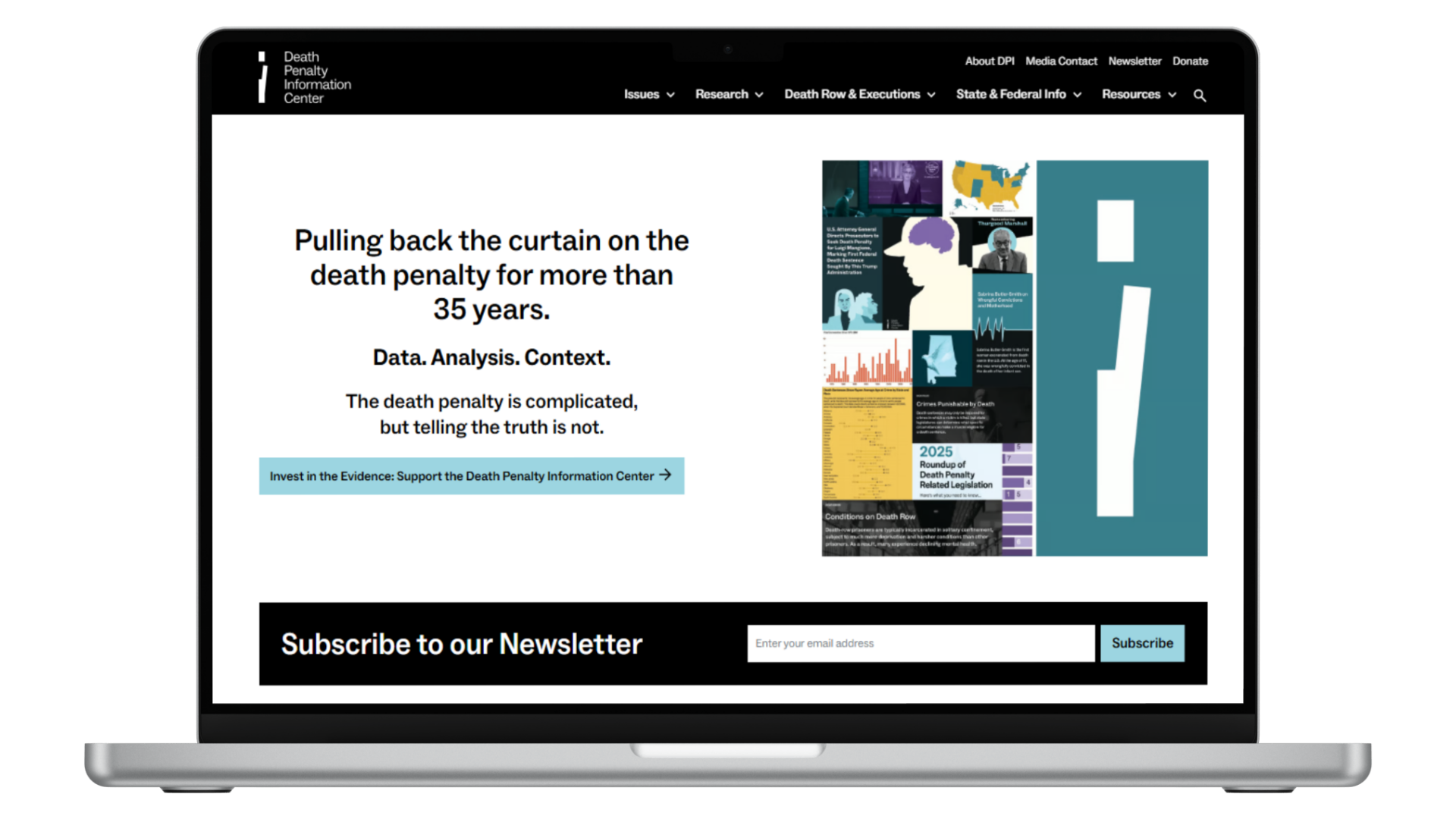
The Death Penalty Information Center (DPI) is the go-to source for nonpartisan death penalty data including a database of all executions, a timely schedule of upcoming executions, and reports and analysis on issues concerning capital punishment and the people it affects.
Church Teaching & Ministerial Supports
The Catholic Church is clear: the death penalty is inadmissible because it violates the sanctity of life. Every human being is created in the image and likeness of God, giving them an inherent dignity. This dignity is never lost, even if someone commits a serious crime. In our modern world we have ways to address crime and violence without resorting to more killing; we can keep society safe while honoring the humanity of all. Explore resources below that amplify the Church’s pro-life teaching on the death penalty and ways to invite individuals you minister to into this conversation.
“Inadmissible” — The development of Church teaching on the death penalty
The Catholic Church clearly teaches that the death penalty has no place in any society. Capital punishment is a direct attack to the sanctity of life, and our efforts to oppose this dehumanizing system fall squarely within the continuum of life issues.
In 2018, the Catechism of the Catholic Church was clarified to reflect this teaching.
Catholic Social Teaching and the Death Penalty
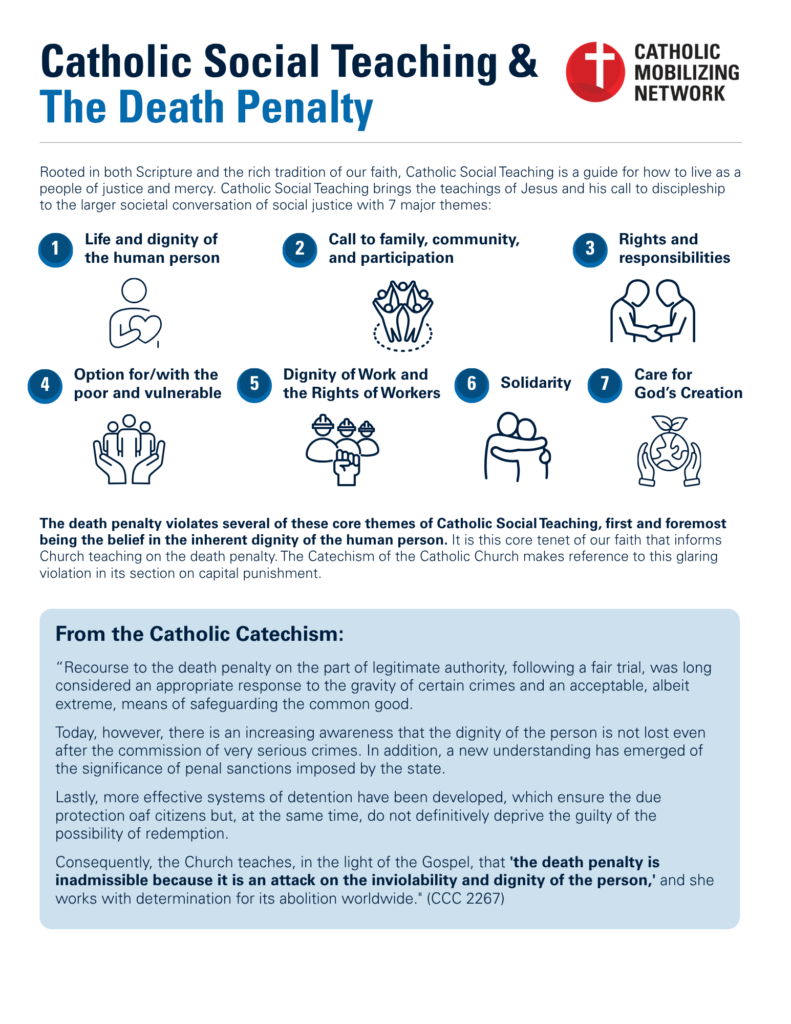
Catholic Social Teaching brings the teachings of Jesus and his call to discipleship to the larger societal conversation of social justice.
Key Scripture, Holy Days, and Tips for Preaching About the Death Penalty
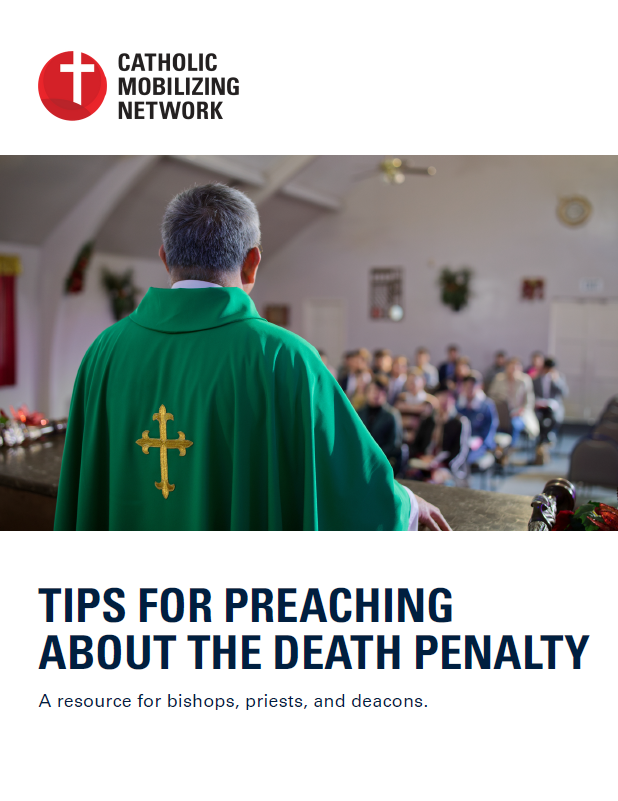
Designed for those in a position of preaching to a congregation, this resource provides a selection of liturgical feasts and Scripture passages that lend themselves to the topic of the death penalty. Plus, it includes core Church teachings and basic facts on capital punishment.
Dos and Don’ts for Accompanying Victim-Survivors Through a Restorative Justice Process
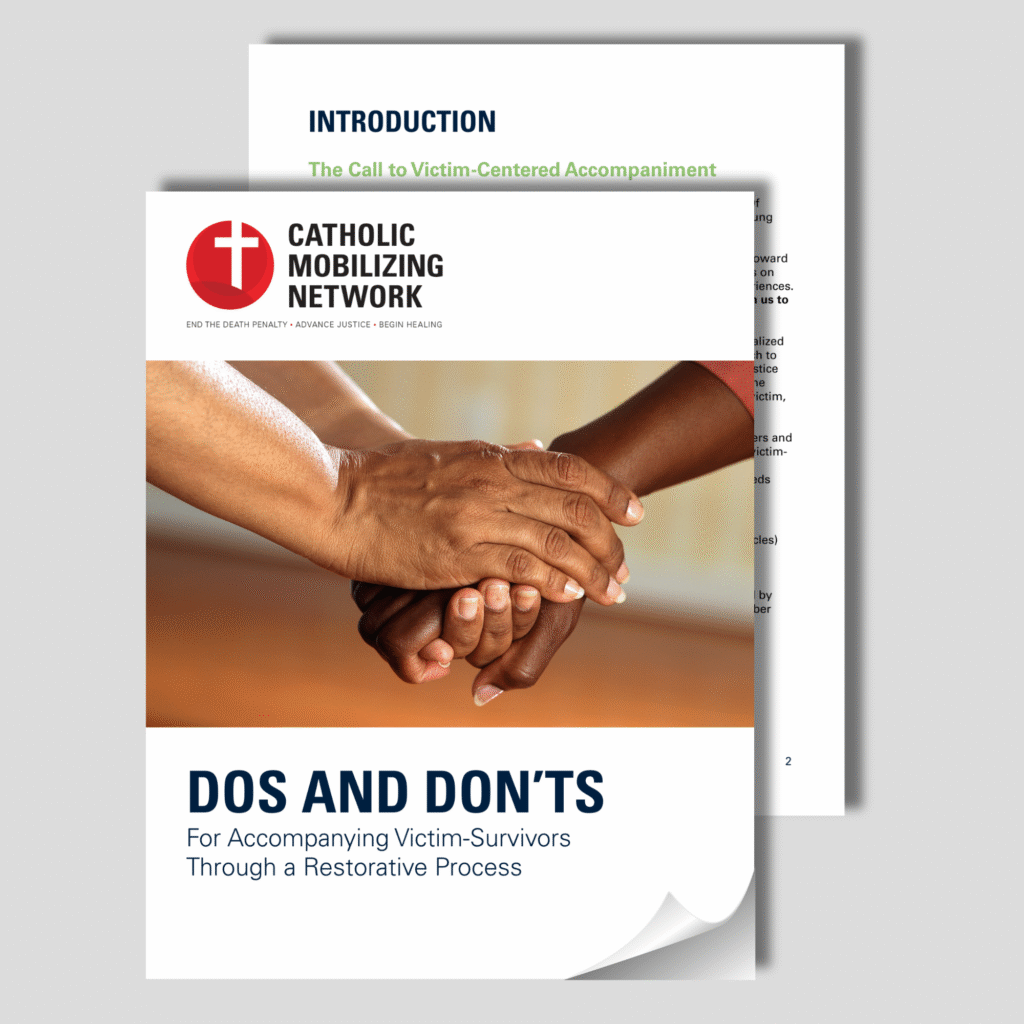
In the aftermath of a crime, a victim-survivor’s faith community is often one of the first places they turn to for support. Yet many of our parishes and ministries struggle with how to respond to victims’ complex needs for healing. As people of faith, we can be instrumental in supporting victim-survivors through restorative processes designed to meet their unique needs.
Pope Francis Prays for an End to the Death Penalty
In September 2022, Pope Francis invited the universal Church to unite our prayers for the global abolition of the death penalty — a prayer that is especially poignant here in the United States.
Engagement Opportunities for Parishioners
Catholics in the pews — in active death penalty states and everywhere across the United States — can engage with Catholic Mobilizing Network’s efforts to end the death penalty and advance justice solutions that align with our Catholic values. An invitation from their deacon might be the encouragement that your parishioners need to get started. Consider the following opportunities.
Advocacy: Opposing Executions
Every month, CMN sends timely advocacy actions to keep you informed about upcoming cases that urgently need attention. Subscribers are invited to write letters directly to those in positions of power who are capable of halting upcoming executions.
Respect Life Month Toolkit and Annual Novena to End the Death Penalty
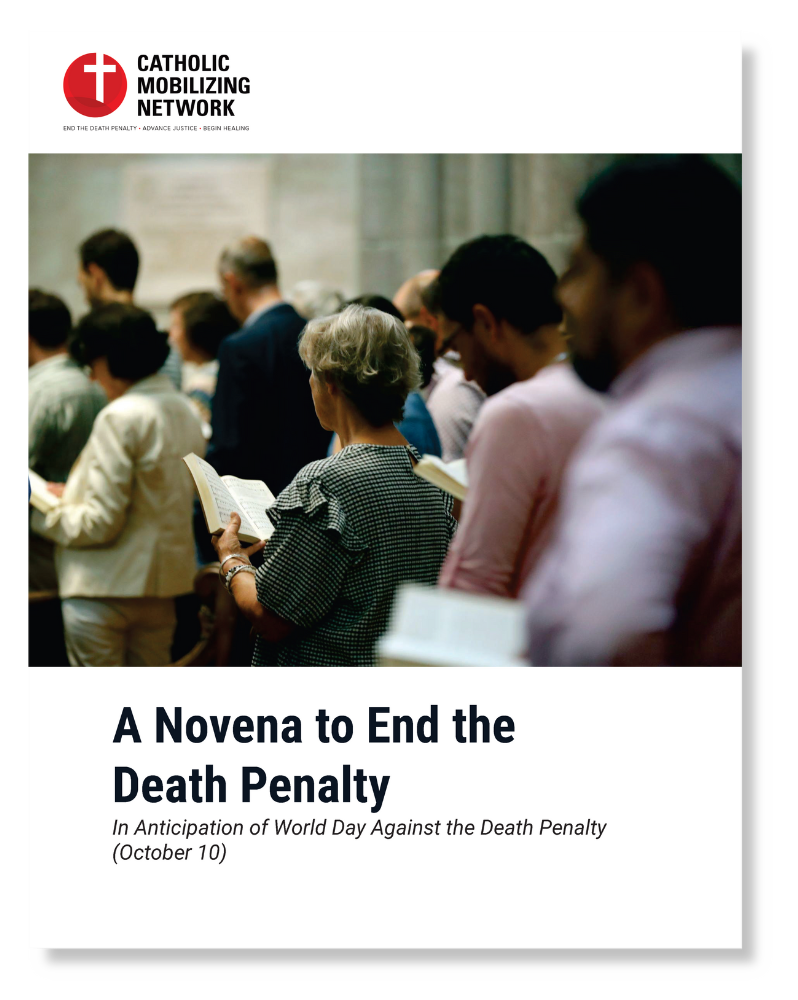
CMN prays the Novena to End the Death Penalty each year starting on October 1, the first day of the annual Respect Life Month. These nine days of prayer prepare us for World Day Against the Death Penalty (October 10).
Pray with us and explore additional Respect Life resources in the Respect Life Month Toolkit.
Prayer Resources
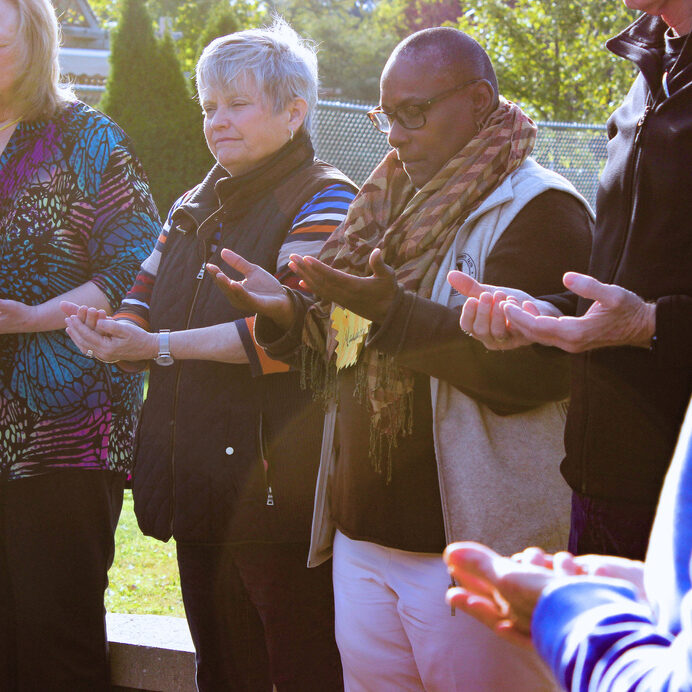
Discover prayers for your personal devotion, community groups, or parish events that center the issue of the death penalty and those most profoundly impacted by it.
St. Maximilian Kolbe — Patron Saint of Prisoners, Families, and the Pro-Life Movement
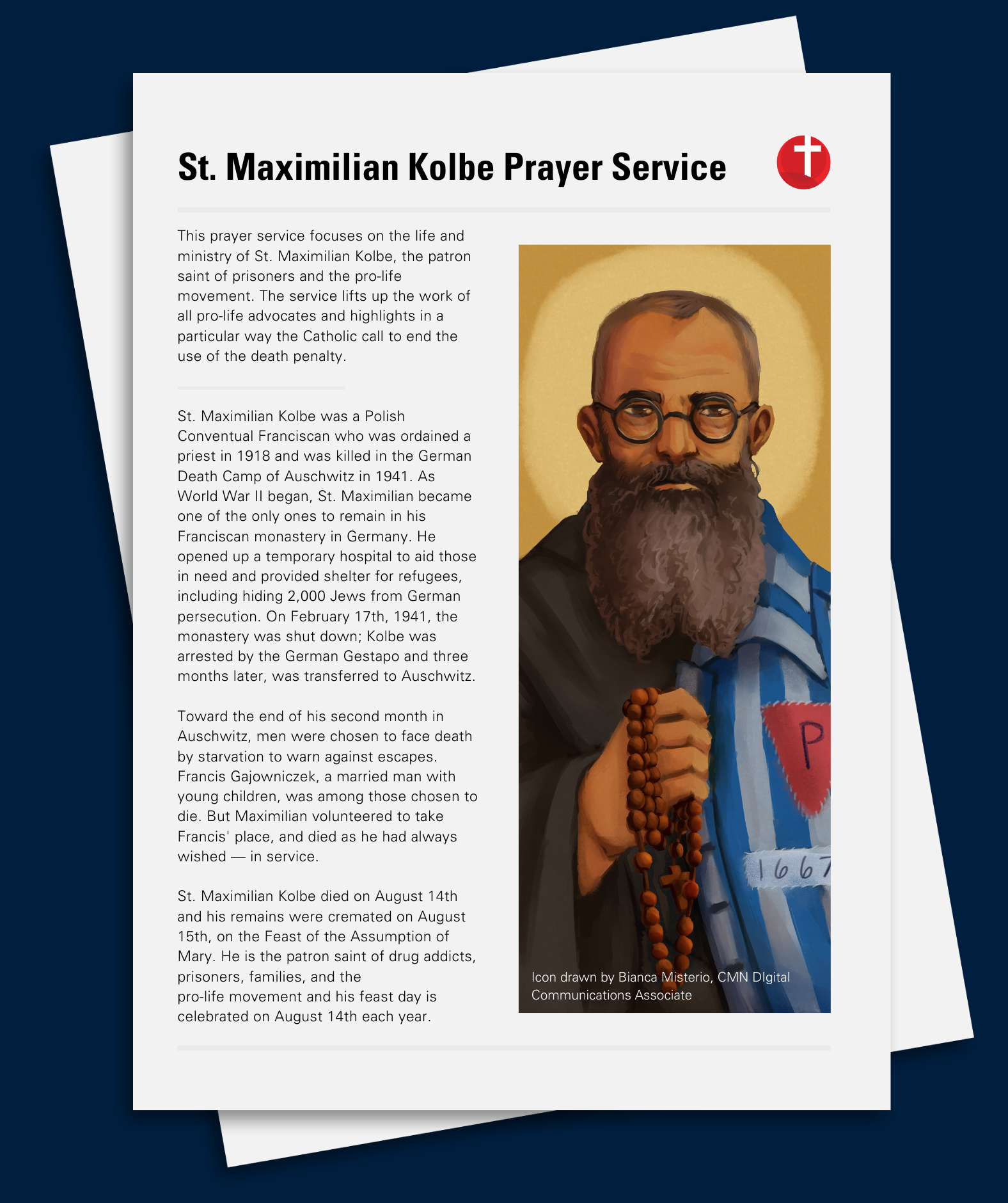
Saint Maximilian Kolbe (1894–1941) was a Catholic priest and a Conventual Franciscan friar. He was executed in the Nazi death camp Auschwitz on August 14, 1941, dying from a lethal injection of carbolic acid after he volunteered to take the place of a man who was in line to be executed.
Check-out CMN’s brief video on St. Maximilian Kolbe’s story and download a prayer service to reflect on his life and his ministry.
Death Penalty News
Explore the latest news from CMN plus the national movement to end the death penalty.
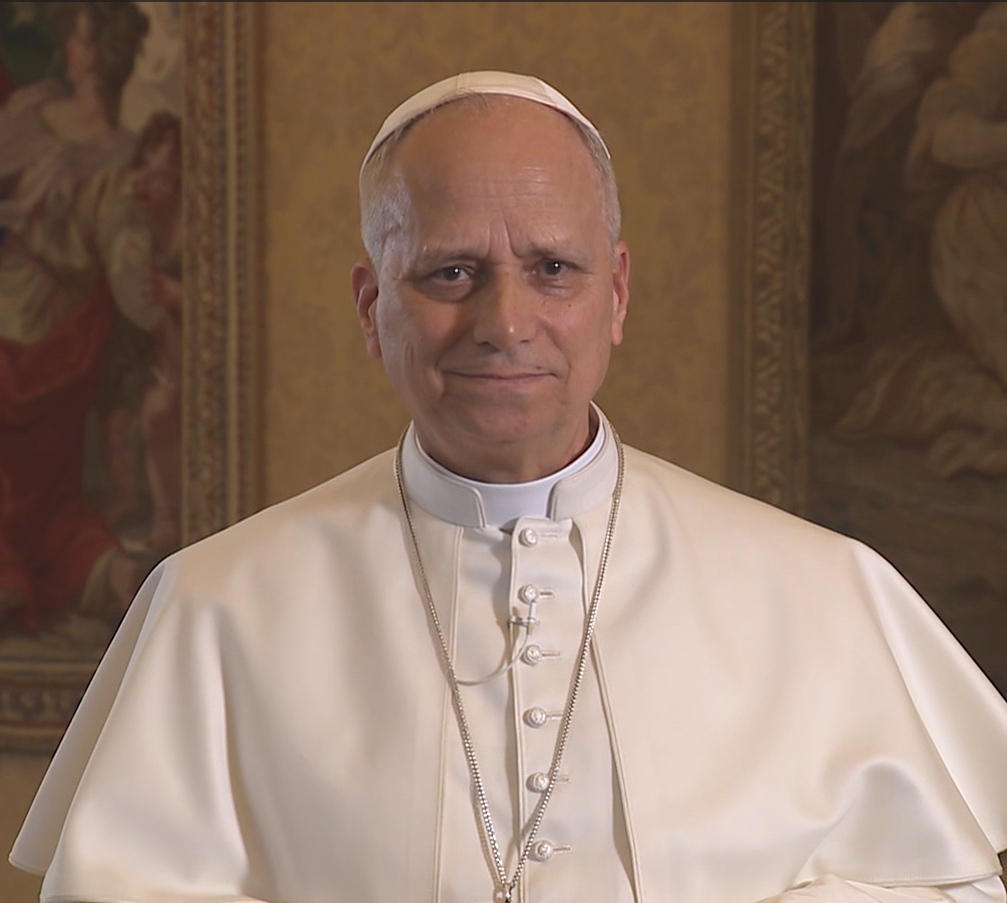
Pope Leo boosts U.S. efforts to abolish the death penalty with inspiring video message
In a surprise video aired at DePaul University today, Pope Leo XIV offered a powerful statement in support for those who advocate for the abolition of the death penalty in the United States: “I therefore…Death Penalty Quarterly | April 2026
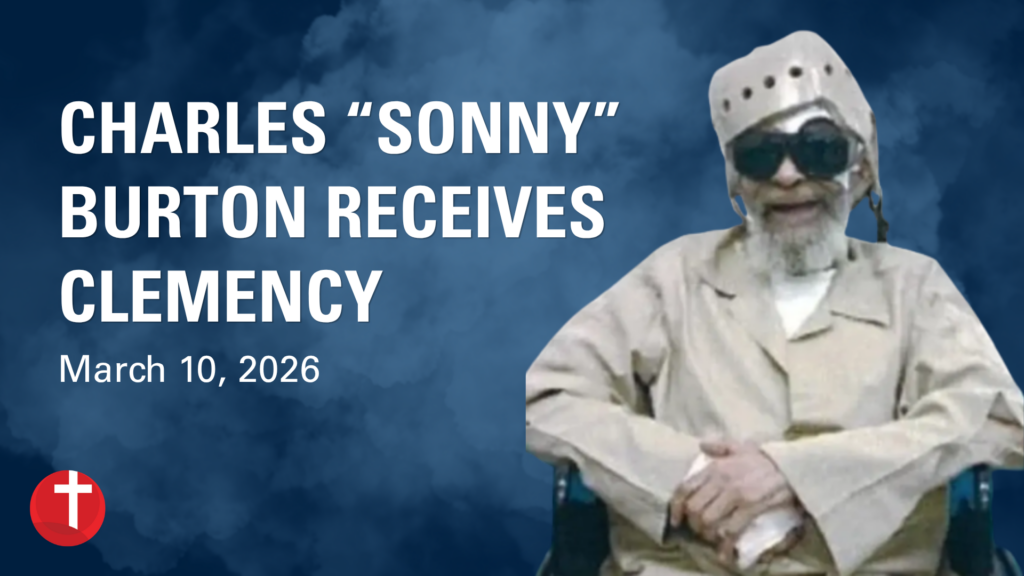
As an Easter people, we proclaim that life has the final word. What does it really mean to be people of the Resurrection? It means choosing to see life where others see only death. It…Gov. Kay Ivey grants clemency to Charles “Sonny” Burton, a rare display of mercy.
Mr. Burton was sentenced to death and scheduled to be executed on Thursday, March 12, 2026 for his involvement in the murder of Doug Battle. But on March 10, Governor Kay Ivey took merciful action,…Celebrating Catholic Sisters Week: A special interview with CMN’s Sr. Eileen Reilly, SSND
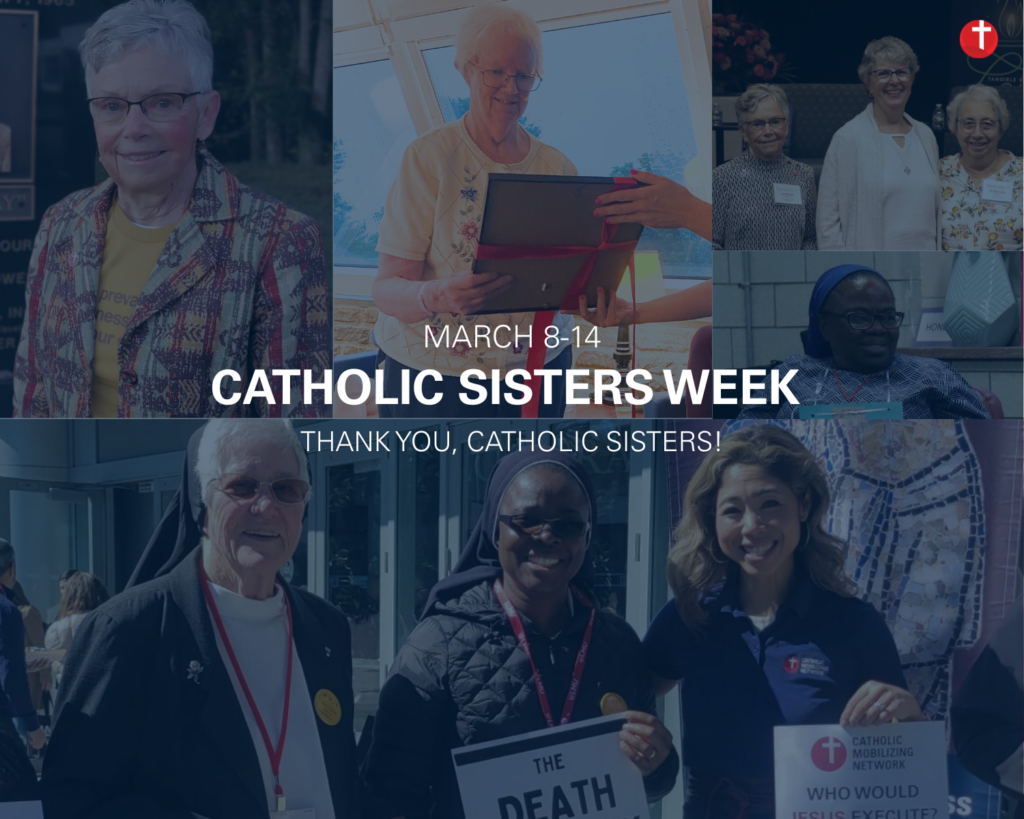
In honor of Catholic Sisters Week (March 8-14), we sat down with Sr. Eileen for a Q&A to talk about her journey and share a bit more about the impact of her work engaging with…
Help CMN end the death penalty
Join our community to educate, advocate, and pray for abolition.